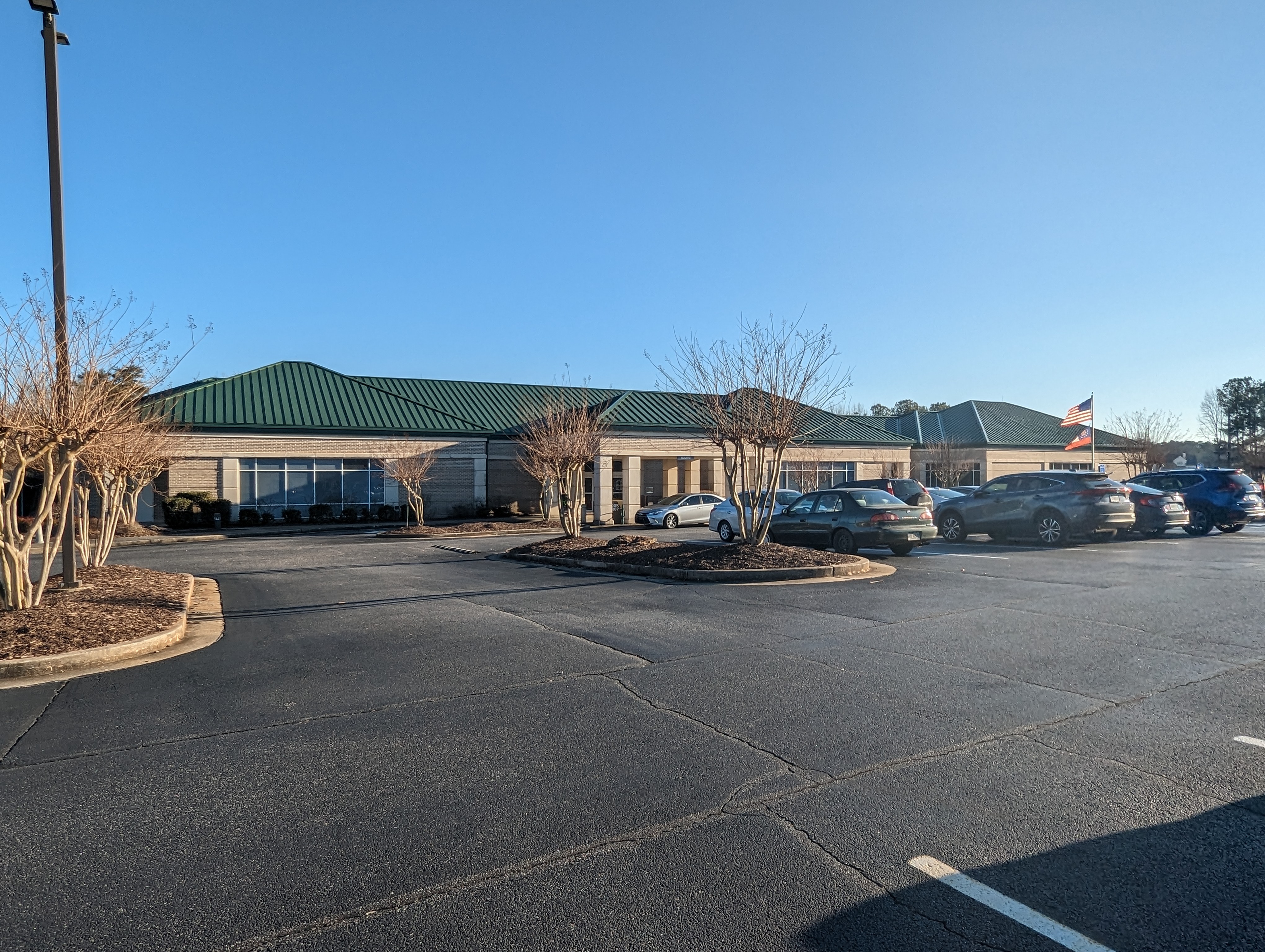
A wastewater monitoring station serving 189,000 North Fulton County residents recorded "very high" COVID-19 levels the week of Aug. 22, a sharp local spike arriving just as Alpharetta and Milton families settle into the school year.
The reading, reported by WSB-TV, stands out against the CDC's broader classification of Georgia and the Southeast as "low" activity. Nationally, the CDC estimated COVID cases were growing or likely growing in 47 states as of Aug. 19, with wastewater concentrations up 106% from July, according to Stanford University's WastewaterSCAN program.
The timing matters.
Experts expect transmission to peak about a week into September, and the dominant strain driving the summer wave, XFG.1.1, accounts for 22–40% of U.S. cases.
Symptoms look like back-to-school sniffles
Dr. Anita Varkey, regional medical director for Oak Street Health, told WSB-TV that patients are walking in thinking they have a cold or allergies, only to test positive.
"Patients are coming in with what they think is a runny nose, whether it's a cold or allergies and then when we test, sure enough, it is COVID," Varkey said.
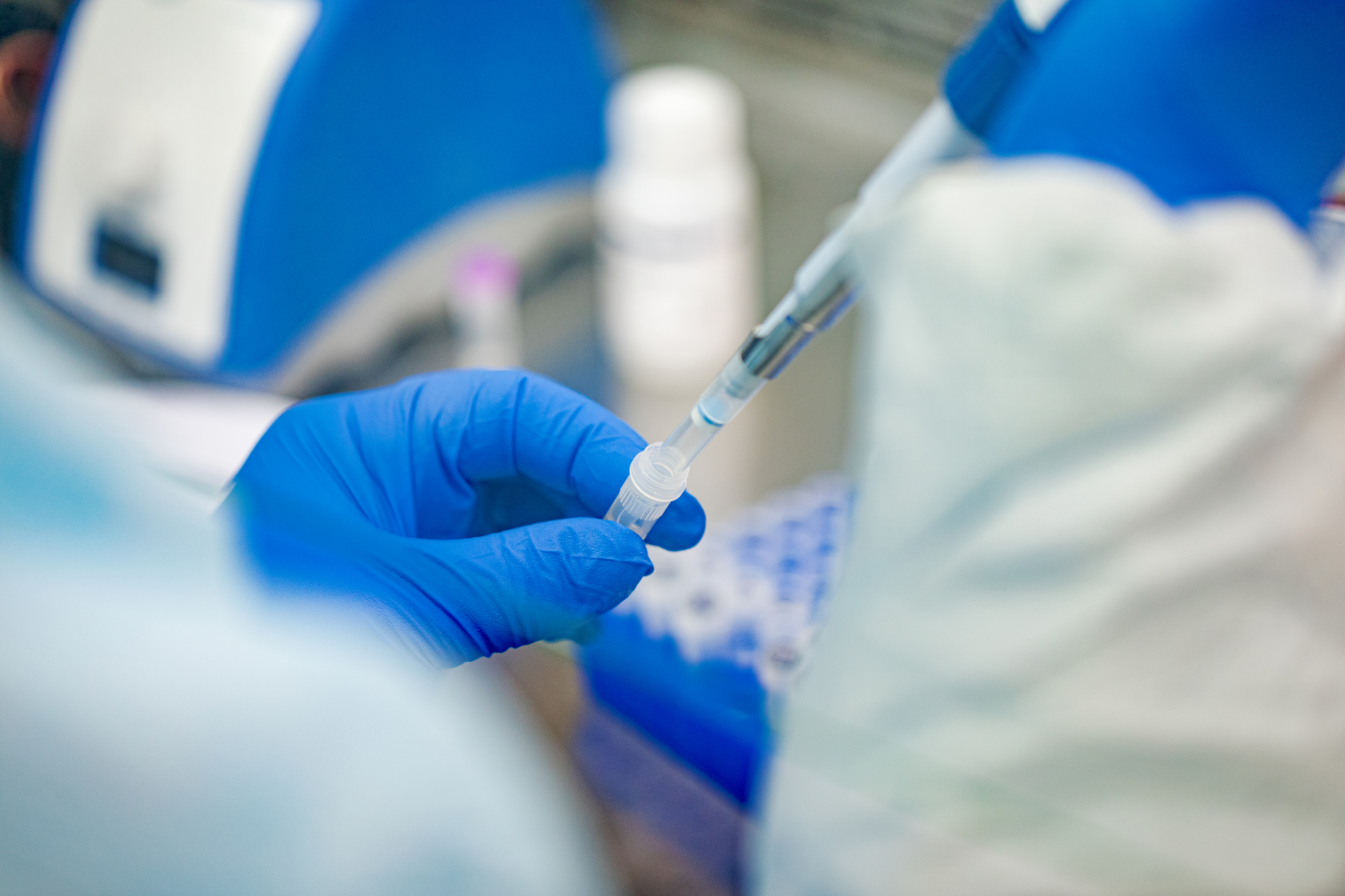
Current symptoms include congestion, coughing, sore throat and fatigue. Because those overlap with common school-season illnesses, testing is the only reliable way to confirm infection.
What Alpharetta and Milton families should do now
Check home test kits. Varkey urged residents to look at expiration dates on any rapid tests stored from previous seasons. Expired kits may produce unreliable results.
Test twice if negative. The CDC recommends taking a second rapid antigen test 48 hours after a negative result to rule out infection.
Ask about antivirals. Prescription treatments can shorten symptom duration and reduce the risk of complications, particularly for high-risk groups: adults over 65, infants, immunocompromised individuals, people with underlying conditions and those who have never been vaccinated.
Talk to your doctor about timing. Health care providers recommend consulting a physician about when to schedule flu shots and COVID boosters based on individual health needs. The updated 2026–2027 COVID vaccine targeting the XFG variant is expected in September 2026.
Context: a milder wave, but a real one
The current summer surge appears less severe than 2025's. During the week ending Aug. 13, nearly 5% of COVID tests came back positive, compared to over 9% at the same point last year. The CDC's 2026 Summer Outlook had predicted the South would see the earliest and most significant surge because the region experienced relatively limited COVID activity during the 2025–2026 winter.
No statement from the Fulton County Board of Health or Georgia Department of Public Health specifically addressing the North Fulton wastewater spike was available as of Monday, Aug. 24.
Residents can check local wastewater COVID levels through the CDC's respiratory virus data tracker.