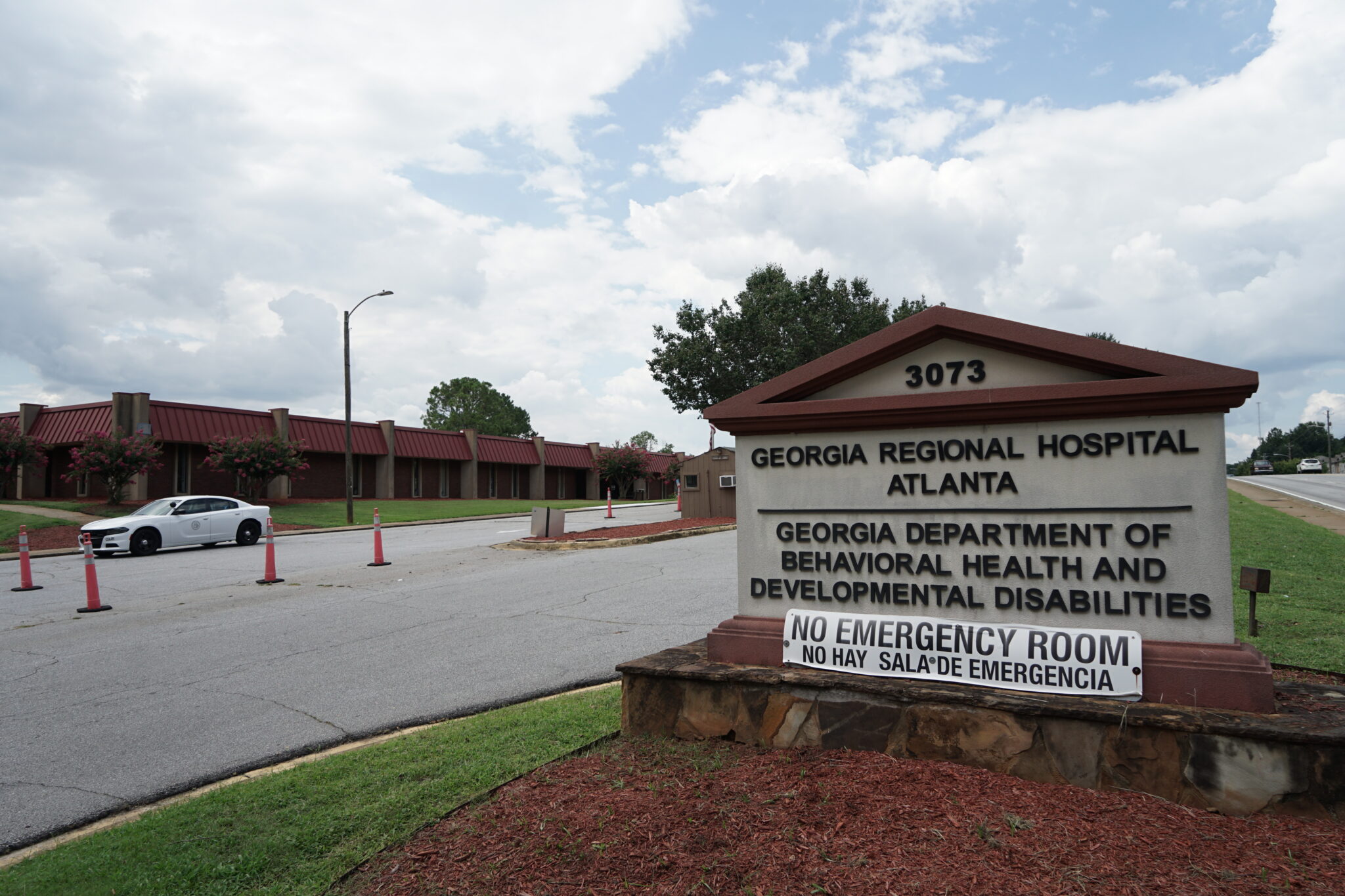
Georgia lawmakers have approved $409 million to build the state's first new psychiatric hospital in decades. The 300-bed forensic facility, planned for a site near Georgia Regional Hospital in south DeKalb County, is designed to clear a backlog of more than 700 people held in county jails across the state while awaiting court-ordered treatment.
"We need the bed capacity today," Kevin Tanner, commissioner of the state Department of Behavioral Health and Developmental Disabilities, told Fulton Neighbor on July 20. "As soon as we can get the hospital open, the better it will be for the system."
Fulton County's overcrowding crisis
The backlog has compounded problems at the Fulton County Jail. Sheriff Pat Labat announced in May 2026 that the jail would stop accepting most misdemeanor arrestees as of July 1, citing overcrowding and deteriorating conditions. In a May 2026 press release, Labat said it was his responsibility to implement a pathway forward that aligns with the federal consent decree the county entered in January 2025 after a U.S. Department of Justice civil rights investigation.
Labat has long framed the issue in urgent terms. In a December 2025 opinion column published in Appen Media, he described county jails as having become "de facto mental health institutions around the country" and compared the situation to "knowing a house is on fire but having to wait years to build the fire station."
Fulton County commissioners approved a plan exceeding $1 billion to renovate the Rice Street Jail and build a special-purpose facility for detainees with mental health and substance abuse needs. The current status of that project could not be independently confirmed.
How the backlog works
Forensic patients are people with a mental illness or disability who have been charged with or convicted of a crime. When a Georgia judge determines someone is unfit to stand trial, the court orders them into a state-run hospital. When those hospitals are full, patients remain locked in local jails, sometimes for more than a year.
A 2023 capacity study predicted that without a new facility, Georgia would be unable to accept any more forensic patients by 2034.
Settlement sets deadlines
In April 2026, DBHDD reached a settlement with the Georgia Advocacy Office and the Southern Center for Human Rights. By the time the agreement expires in late 2029, the department must evaluate each forensic patient within 30 days and admit them to a restoration program within another 30 days.
DBHDD has hired Atlanta architectural firm Jericho Design Group and Batson-Cook Construction for the project. According to Tanner, the department hopes to move faster than the estimated 36-month timeline for a facility of this scale. No groundbreaking date has been announced.
Olmstead connection
The hospital will be built near the same campus where two plaintiffs in the landmark 1999 U.S. Supreme Court case Olmstead v. L.C. were held. That ruling found unjustified institutionalization of people with disabilities violates the Americans with Disabilities Act. In February 2026, a federal judge released Georgia from part of a related 2010 settlement, reducing federal oversight of the state's behavioral health services. Tanner called it a "historic moment" but said the hospital could have been built regardless.
Local mental health investment
Separately, Fulton County is investing $23 million in 2026 for mental health counseling services for uninsured residents, and DBHDD has a behavioral health crisis center planned for north Fulton County.
No public comment deadline or legislative hearing on the forensic hospital has been announced. Residents can track updates through DBHDD at dbhdd.georgia.gov.